In today’s world, we rely on electrical appliances and devices more than ever. From your phone chargers to large appliances and sensitive electronics, a surge in power can cause damage to your devices or even compromise your electrical system. That’s where surge protection comes in. It’s a simple yet effective way to safeguard your property from electrical damage caused by power surges.
What Is Surge Protection?
A power surge refers to a sudden increase in electrical voltage that can occur in your home or business, usually due to events such as lightning strikes, power outages, or issues with the electrical grid. While power surges can be brief, they can have serious consequences. Electrical devices and appliances aren’t designed to handle these spikes in voltage, and when they do, components inside the devices can burn out, causing irreparable damage.
Surge protection works by redirecting excess voltage safely away from sensitive electrical equipment, ensuring that your devices remain intact and operational. Surge protectors come in various forms, including surge protector strips for personal electronics and whole-house surge protectors for entire properties.
How Does Surge Protection Work?
A surge protector diverts the excess electricity from the surge into the grounding system of the electrical circuit, typically through a metal oxide varistor (MOV) or gas discharge tube (GDT). These devices absorb the excess voltage and stop it from reaching your appliances, ensuring they aren’t damaged. Surge protectors are designed to withstand a limited number of surges, and once they’ve absorbed a large surge, they may need to be replaced.
Why Is Surge Protection Essential?
- Protection of Electronics and Appliances
Power surges can occur at any time, and modern appliances, from computers to televisions, to refrigerators, can be particularly vulnerable. Without a surge protector, even a small surge can result in the failure of important components within these devices, leading to costly repairs or replacements. - Prevent Fire Hazards
In extreme cases, an electrical surge can cause overheating, leading to potential fires. Surge protectors reduce this risk by stopping voltage spikes before they can cause serious damage. - Preserve Your Data
For businesses and homes with critical data on electronic devices, such as computers or servers, surge protection is vital. A surge can wipe out important information, costing both time and money to recover. A surge protector ensures that data stays secure by preventing unexpected shutdowns or damage. - Cost-Effective
The cost of surge protectors is minimal compared to the expense of replacing electronics or paying for repairs due to surge damage. Investing in quality surge protection can save you significant money in the long run.
Types of Surge Protection
- Surge Protector Power Strips
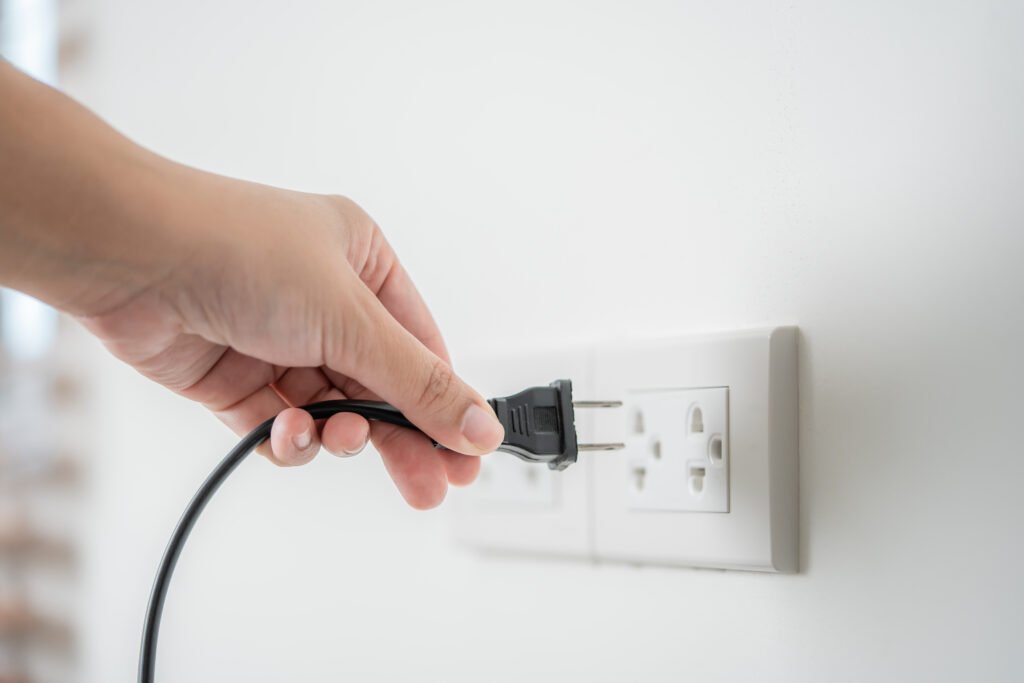
These are commonly used for personal electronics like computers, televisions, and kitchen appliances. They usually come with multiple outlets, so you can plug in several devices at once. - Whole-House Surge Protectors
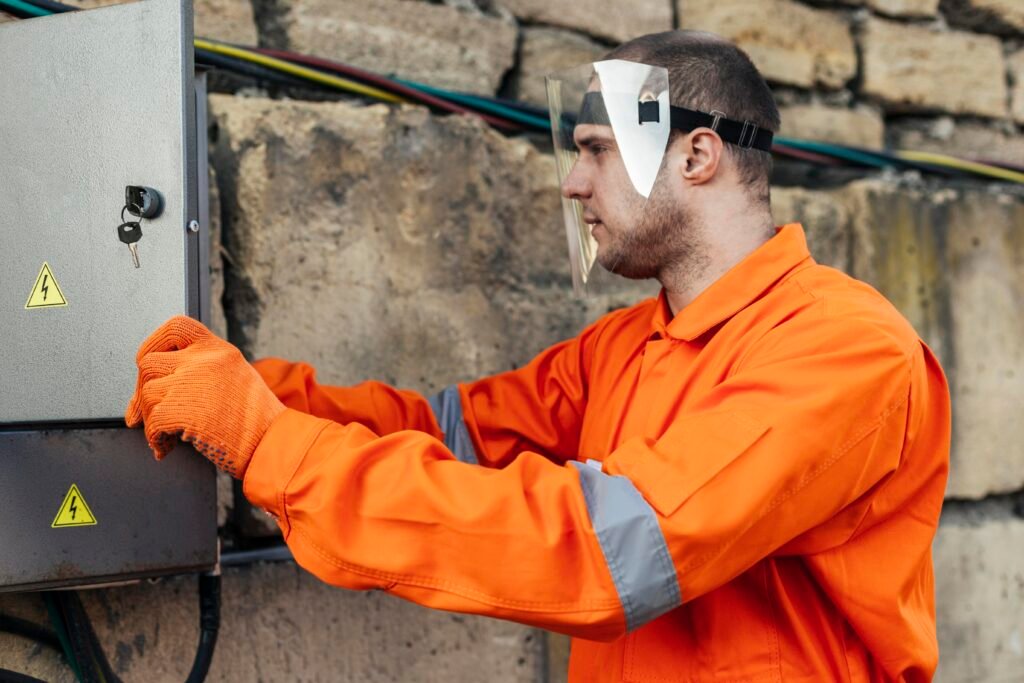
Installed at the electrical panel, these protect your entire home or business from power surges by filtering surges before they even enter the electrical system. This type of surge protection is ideal for homes in areas prone to frequent lightning strikes or power grid issues. - Point-of-Use Surge Protectors
These surge protectors are installed at the point where devices are plugged into the outlet. They are typically used for sensitive devices such as home theaters or gaming systems that require additional protection from surges.
How to Choose the Right Surge Protection?
When selecting surge protectors for your home or business, keep the following factors in mind:
- Joule Rating
The joule rating indicates how much energy a surge protector can absorb before it fails. Higher joule ratings are better for handling larger surges. - Clamping Voltage
This is the voltage level at which the surge protector will start diverting excess electricity. A lower clamping voltage means better protection for your devices. - Response Time
This refers to how quickly the surge protector reacts to a power surge. A quicker response time offers better protection. - UL Rating
Choose surge protectors that are UL-listed, ensuring that they meet safety standards and have undergone rigorous testing for reliability.
Final Thoughts
Surge protection is an essential step in protecting your home or business from unexpected electrical issues. It’s a small investment that can safeguard your devices, prevent data loss, and reduce the risk of fire or equipment failure. Whether you’re protecting sensitive electronics or ensuring the safety of your entire property, surge protection provides peace of mind, knowing your electrical devices are safe from potential surges.